
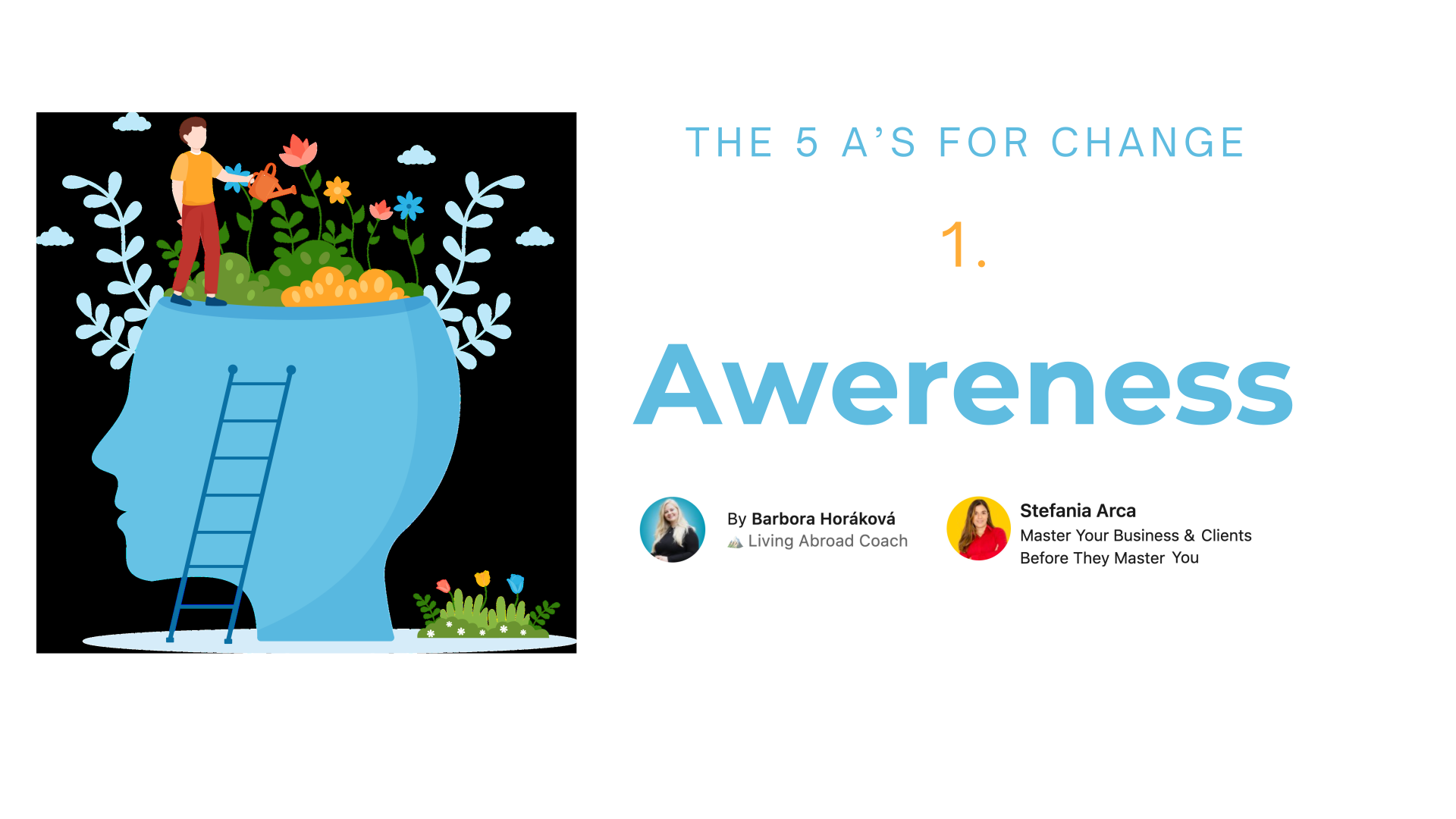
Knowing is not doing.
You’ve journaled. You’ve brainstormed. You’ve reflected. But if you’re still in the same place, it’s not because you don’t know enough. It’s because something is keeping you from moving.
Most people don’t fail for lack of clarity. They fail because they wait too long to act. But before action comes something even more fundamental: the brutal honesty of awareness.

The Problem with Staying Comfortable in Dysfunction
We’re creatures of habit, and our brains are designed for survival, not growth. Once something becomes familiar—even if it’s draining our energy or blocking our progress, our minds default to, “We’re safe here. Don’t change anything.”
This is why awareness for change is so critical. You can’t fix what you won’t acknowledge.
In my recent LinkedIn Live series with mindfulness coach Barbora Horáková, we explored what it takes to transform any area of your life. Whether you’re stuck in a business that’s plateaued, a role that no longer fits, or patterns that keep you spinning in circles, change always begins with one non-negotiable step: awareness.
“If you don’t know what’s happening, it’s very hard to cope with what’s outside.”
What Awareness for Change Really Means
Awareness isn’t just noticing something’s wrong. It’s the ability to be honest about your thoughts, emotions, and how you react to different situations. It’s understanding not just what needs to change, but why it needs to change and what’s been keeping you stuck.
True awareness means asking yourself uncomfortable questions. What task are you doing daily that someone else should own? What part of your business is growing, but no one’s really leading it? What’s the one thing you always postpone, and why?
Most importantly, awareness requires accepting that the problem isn’t outside of you, it’s internal.
This doesn’t mean blaming yourself; it means taking ownership of your decisions and reactions.
“Even if trouble is coming from something outside our control, the only thing we can actually change is how we’re going to react to it.”

The Internal Work That Changes Everything
During our live discussion, Barbora shared something profound about self-awareness: it’s the foundation that makes adaptation possible. When you understand your patterns (emotional, behavioural, mental) you gain the clarity to see what actually works for you and what doesn’t.
This is where many people get stuck. They want external change without doing the internal work. They switch jobs but bring the same mindset. They start new projects but repeat the same dysfunctional patterns.
Awareness breaks this cycle. It forces you to examine not just what you want to change, but what beliefs, fears, and habits have been running the show behind the scenes.
Why Most People Avoid True Awareness
Let’s be honest: awareness can be uncomfortable. It means confronting the gap between where you are and where you want to be. It means admitting that some of your strategies haven’t been working. It means facing the possibility that you’ve been tolerating dysfunction for far too long.
But here’s what I’ve learned from years of helping businesses transform: the pain of awareness is temporary. The pain of staying stuck is permanent.
When you’re truly aware, several things happen. You stop making excuses. You stop waiting for external circumstances to change. You start taking responsibility for your piece of the puzzle.
From Recognition to Reality Check
Awareness without action is just sophisticated procrastination. Once you recognise what needs to change, you need what I call a “reality test.” Furthermore, be honest about your current situation. Don’t try to find shortcuts or minimise the challenge ahead.
Unfortunately, this is where business owners often struggle. Initially, they’re aware their delivery is chaotic, but they resist acknowledging how much it’s actually costing them. Ultimately, this denial affects client satisfaction, team morale, and personal energy.
The relationship is the real product.
Consequently, if your internal dynamics are broken (whether with your team, your clients, or yourself) no amount of external strategy will save you.
Here’s What I’d Say Over Coffee
Awareness isn’t a one-time event, it’s an ongoing practice. Some days, you’ll see clearly. However, other days you’ll need external perspective from trusted advisors, coaches, or mentors who can spot patterns you’ve become blind to.
The goal isn’t perfection; rather, it’s progress. Start by identifying one area where you’ve been tolerating dysfunction. Name it specifically. Then write it down. Finally, ask yourself: “What am I not willing to feel anymore?”
This question will tell you everything you need to know about where to focus your change efforts.

Your Next Step: Stop Waiting for Perfect Clarity
You don’t need complete understanding to begin. Instead, clarity doesn’t come first—courage does. Therefore, awareness gives you enough insight to take the first step, and that step will reveal what you need to know for the second step.
Remember: not taking action is also a choice. If you’re aware something needs to change but you’re not moving, you’re essentially saying the current situation is acceptable. Usually, that’s not true, you’re just scared of the discomfort that comes with growth.
Change is inevitable. Growth is optional. Ultimately, awareness for change puts you back in the driver’s seat.
Ready to stop spinning and start moving? Watch the full discussion on awareness and the complete 5 A’s framework in our YouTube Live series.

The next step is acceptance, learning to work with resistance instead of against it. However, first get honest about what you’re actually willing to acknowledge needs to change.
Your future self is waiting for you to wake up to what’s possible.
You now have the complete 5 A’s framework: Awareness, Acceptance, Adaptability, Accountability, and Action. The question isn’t whether you know what to do, it’s whether you’ll actually do it.
Until then, pick one small action and take it today. Your future depends on your willingness to move from knowing to doing.